
 Inside the Briefcase



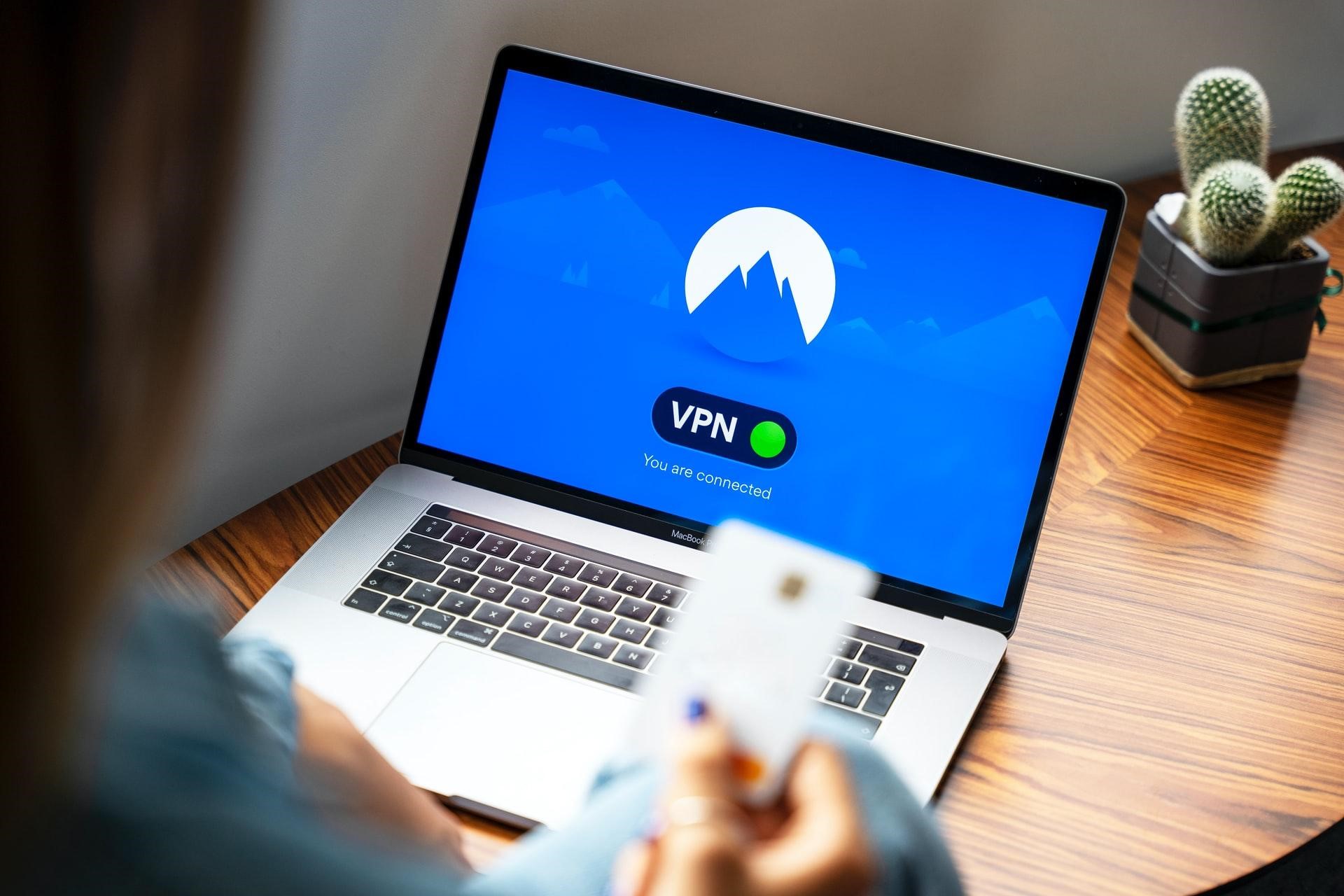
Why You Should Start Using a VPN (and How to Choose the Best One for Your Needs)
September 7, 2012 No CommentsYou may know what a VPN, or Virtual Private Network, is; you probably don’t use one. You really should be using a VPN, and even if you don’t think so now, at some point in the future you may consider it as important as your internet connection.
When we took at look at your five favorite VPN service providers, we noticed a few things. First, being the “best” is big business for VPN providers, and they’ll fight dirty to be one of them. Second, there are so many VPN providers that it’s difficult to choose a really good one. VPNs are not all created equally, and in this post, we’re going to look at what a VPN is, why you want one, and how to pick the best one for you. Let’s get started.
What Is a VPN?
Put simply, a Virtual Private Network, or VPN, is a group of computers (or discrete networks) networked together through over a public network—namely, the internet. Businesses use VPNs to connect remote datacenters, and individuals can use VPNs to get access to network resources when they’re not physically on the same LAN (local area network), or as a method for securing and encrypting their communications when they’re using an untrusted public network.